Blog

  • Creating Your Personal Aquatic Retreat

    Creating Your Personal Aquatic Retreat

    Embarking on the journey of creating a personal oasis goes beyond the mere installation of a pool—it’s about crafting an environment that harmonizes with your lifestyle and brings tranquility to your surroundings. In this blog post, we delve into the art of pool design, exploring how thoughtful planning and creative choices can transform your backyard into a serene and stylish retreat. Join us as we navigate the elements of pool design, turning the vision of your dream pool into a reality.

    Harmony in Design

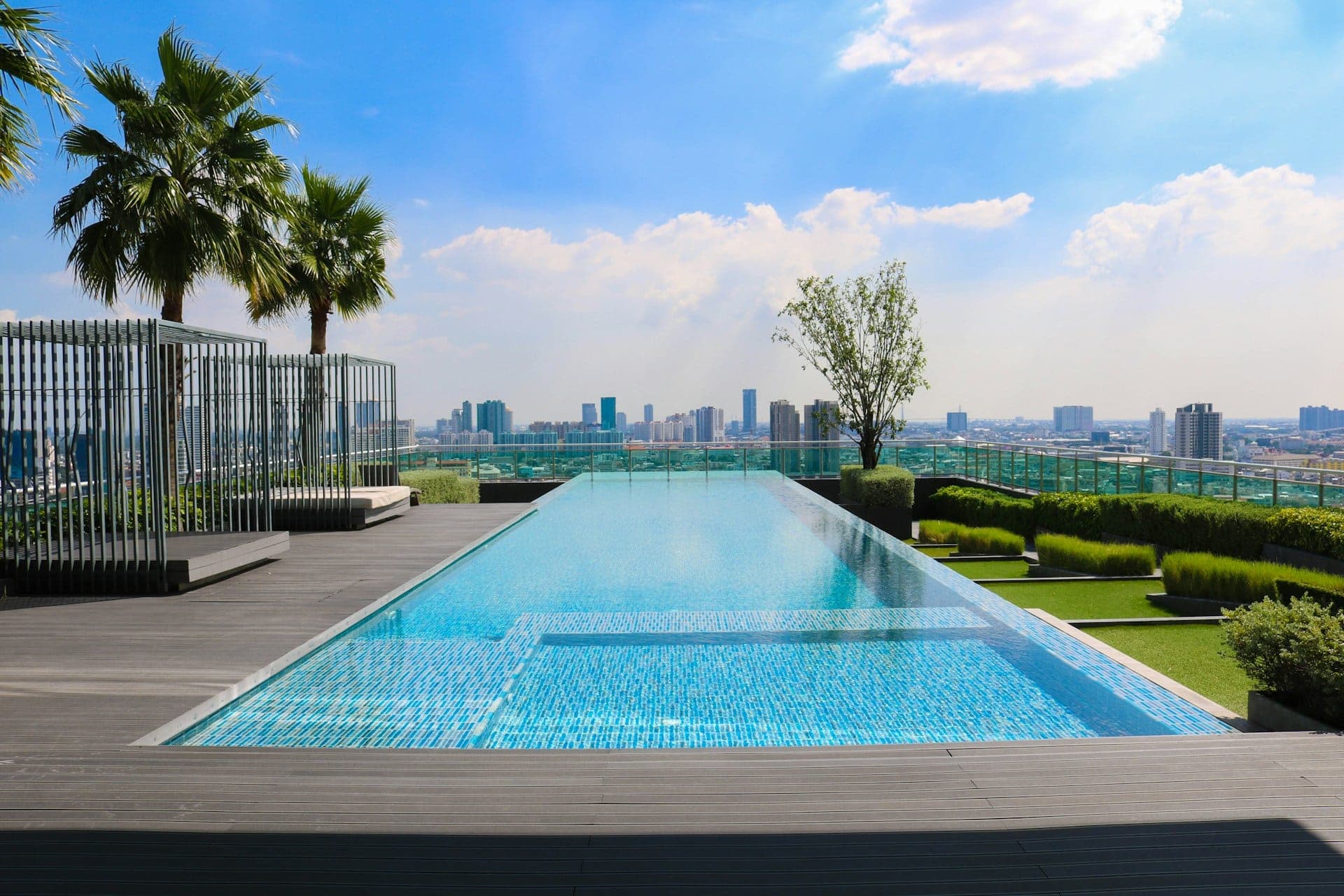
    Embarking on the journey of pool design begins with the quest for harmony within your outdoor space. The selection of materials, shapes, and colors plays a pivotal role in achieving this balance, ensuring that your pool seamlessly integrates with the natural landscape. From the organic allure of stone to the modern elegance of contemporary materials, each choice contributes to a visual symphony that enhances the overall aesthetic appeal of your backyard oasis. Our insights delve into the transformative power of design harmony, guiding you towards creating a pool that not only complements but enriches your outdoor living experience. Discover how thoughtful design choices can turn your pool into a focal point of tranquility and beauty.

    When contemplating design harmony, it’s not merely about the pool as a standalone feature but rather as an integral part of your outdoor sanctuary. We explore the nuances of how your pool can enhance the overall coherence of your space, becoming a visual anchor that ties together the various elements of your landscape. Our commitment is to guide you through the intricate process of achieving harmony, ensuring that your pool design becomes a testament to both aesthetic sensibility and environmental integration. With each material, shape, and color choice, we empower you to create a harmonious pool that transforms your backyard into a peaceful retreat.

    Functionality and Flow

    In the intricate dance of pool design, the marriage of aesthetics with functionality and flow is key to creating a truly remarkable space. This section delves into the strategic considerations that extend beyond visual appeal, emphasizing the importance of pool placement, sizing, and the incorporation of features that enhance usability. Whether envisioning a space for invigorating laps, tranquil lounging, or vibrant gatherings, our insights provide practical guidance on designing a pool that not only complements your lifestyle but also ensures a seamless and enjoyable experience for all. Explore how our focus on functionality goes hand in hand with aesthetics, ensuring that your pool is not just a visual delight but also a practical and inviting space. By understanding the nuances of flow and usability, we aim to help you create a pool that effortlessly integrates with your daily life, offering both beauty and functionality in perfect harmony.

    Creating a pool that seamlessly integrates with the flow of your outdoor space is about more than just visual appeal—it’s about enhancing the practical aspects of your pool experience. Our exploration extends beyond aesthetics, emphasizing the strategic placement of your pool to maximize sunlight exposure, optimize views, and create a natural flow between your indoor and outdoor spaces. From considering the ideal size of your pool to incorporating features that enhance usability, we guide you through the process of designing a pool that not only looks stunning but also aligns with the rhythms of your daily life. At [Your Company Name], we understand that a well-designed pool is one that not only captivates the eyes but also enriches the overall functionality and flow of your outdoor living space.

    Personalization

    A truly exceptional pool design is one that reflects your individuality and transforms your pool into a unique, personalized haven. In this section, we explore the realm of personalization, delving into various ways you can infuse your personality into every aspect of your pool design. From incorporating custom water features that resonate with your style to choosing unique lighting schemes that set the mood, our insights inspire you to make choices that go beyond the ordinary. Personalization is the key to creating a pool that is not only visually stunning but also a true reflection of your tastes and preferences, ensuring that your pool becomes a distinctive retreat that is unmistakably yours.

    The journey of personalization extends beyond the pool itself to the surrounding landscape. We guide you in selecting landscaping elements, furniture, and décor that enhance the overall ambiance and character of your pool area. Whether you have a penchant for a tropical paradise or a contemporary oasis, our insights provide creative ideas for infusing your unique style into the outdoor space around your pool. At [Your Company Name], we believe that personalization is the soul of pool design, and our commitment is to empower you to create a pool that not only meets your functional needs but also becomes a personal sanctuary—an extension of your lifestyle and a testament to your individuality.

    Conclusion

    Join us on a journey through the Zen of pool design, where aesthetics meet functionality, and personalization is the key to crafting your perfect aquatic retreat. With careful consideration of harmony, functionality, and personal touches, we aim to guide you in creating a pool that transcends the ordinary—a space that brings peace, joy, and a touch of luxury to your outdoor haven.
  • The Science of Pool Tile and Surface Cleaning: Tips for a Spotless Pool

    The Science of Pool Tile and Surface Cleaning: Tips for a Spotless Pool

    Maintaining the cleanliness of your pool tiles and surfaces is not only essential for aesthetics but also for the health and safety of your pool environment. In this blog post, we’ll delve into the science behind pool tile and surface cleaning, exploring the various factors that contribute to dirt and buildup, as well as providing practical tips for achieving a spotless pool.

    Understanding the Chemistry of Pool Water

    The cleanliness of your pool tiles and surfaces is directly impacted by the chemistry of your pool water. Factors such as pH levels, calcium hardness, and total dissolved solids can all influence the buildup of scale, mineral deposits, and algae on pool surfaces. Understanding the chemistry of your pool water and maintaining proper water balance is essential for preventing the accumulation of these contaminants and ensuring a clean and sanitary pool environment.

    Effective Cleaning Techniques

    When it comes to cleaning pool tiles and surfaces, not all techniques are created equal. Scrubbing with harsh chemicals or abrasive tools can damage tile grout and surfaces, leading to costly repairs and replacements. Instead, opt for gentler cleaning methods such as brushing with a soft-bristled brush and using mild, non-abrasive cleaners specifically designed for pool surfaces. Additionally, regular maintenance such as skimming, vacuuming, and filtration can help prevent dirt and debris from settling on pool surfaces in the first place.

    The Importance of Regular Maintenance

    Consistency is key when it comes to pool tile and surface cleaning. Regular maintenance and cleaning routines are essential for preventing the buildup of dirt, scale, and algae, and ensuring that your pool remains clean and sanitary for swimming. Establishing a regular cleaning schedule and sticking to it will not only keep your pool looking its best but also extend the lifespan of your pool tiles and surfaces, saving you time and money in the long run.

    Conclusion

    In conclusion, maintaining the cleanliness of your pool tiles and surfaces is essential for ensuring a safe, sanitary, and enjoyable swimming environment. By understanding the chemistry of pool water, employing effective cleaning techniques, and establishing a regular maintenance routine, you can achieve a spotless pool that you and your family can enjoy for years to come. Whether you’re a new pool owner or a seasoned veteran, prioritizing pool tile and surface cleaning as part of your pool maintenance regimen is a small price to pay for the peace of mind that comes with knowing your pool is in pristine condition.

  • The Importance of Water Balancing

    The Importance of Water Balancing

    In the intricate tapestry of pool maintenance, achieving the perfect water balance is an art that goes beyond aesthetics—it’s a science that impacts the safety and longevity of your pool. In this blog post, we delve into the crucial aspect of water balancing, exploring its significance in preserving water quality, preventing corrosion, and ensuring a safe and enjoyable swimming environment. Join us as we unravel the mysteries of pH, alkalinity, and chlorine levels, guiding you towards mastering the art of water balancing for a pristine and inviting pool.

    Understanding pH Levels

    The foundation of water balancing lies in understanding and maintaining the pH levels of your pool. In this section, we explore the importance of pH, which measures the acidity or alkalinity of the water. A balanced pH level ensures the effectiveness of chlorine, prevents corrosion of pool surfaces and equipment, and contributes to a comfortable swimming experience.

    We provide insights into how factors such as rainfall, the use of pool chemicals, and the number of swimmers can influence pH levels. With our guidance, you’ll gain the knowledge to keep your pool’s pH in the optimal range, creating a water environment that is both safe and gentle on your pool infrastructure.

    Alkalinity: The Buffering Agent

    Alkalinity acts as a crucial buffering agent in maintaining stable pH levels. In this segment, we delve into the role of alkalinity in preventing rapid fluctuations in pH, providing stability to your pool water. We discuss the ideal alkalinity range, its impact on water clarity, and how it works hand in hand with pH to create a harmonious aquatic environment.

    Our insights include practical tips on adjusting alkalinity levels using products such as alkalinity increasers or decreasers. By grasping the significance of alkalinity as a buffer, you’ll be equipped to maintain a balanced and resilient water chemistry, contributing to the overall health and clarity of your pool water.

    Chlorine: The Guardian of Water Quality

    Chlorine plays a pivotal role in safeguarding water quality by eliminating harmful bacteria and contaminants. In this section, we demystify the various forms of chlorine, such as free chlorine and combined chlorine, and their impact on sanitation. We guide you through the proper use of chlorine-based products, such as tablets and liquid chlorine, to maintain the right chlorine levels. Our insights extend to the effects of sunlight, bather load, and temperature on chlorine consumption, empowering you to adjust your maintenance routine accordingly. With a comprehensive understanding of chlorine’s role, you’ll be well-prepared to keep your pool water not only crystal clear but also safe and hygienic for every swimmer.

    Conclusion

    Mastering the art of water balancing is the key to a thriving and enjoyable pool. As you embark on this journey, armed with knowledge about pH, alkalinity, and chlorine, you’ll be equipped to create a pool environment that not only captivates with its clarity but also ensures the longevity of your pool infrastructure. Join us in elevating your pool maintenance routine to an art form, where water balancing becomes second nature, and your pool remains an inviting oasis of refreshment and relaxation.

  • Bringing Back the Shine: The Importance of Pool Tile and Surface Cleaning

    Bringing Back the Shine: The Importance of Pool Tile and Surface Cleaning

    A sparkling pool is the centerpiece of any outdoor oasis, but over time, dirt, grime, and mineral deposits can dull the shine of your pool tiles and surfaces. Regular cleaning and maintenance are essential for keeping your pool looking its best and prolonging the lifespan of your tile and surface materials. In this blog post, we’ll explore the importance of pool tile and surface cleaning, as well as some tips and techniques for achieving a sparkling clean pool.

    Preserving Aesthetic Appeal

    The appearance of your pool tiles and surfaces has a significant impact on the overall aesthetic appeal of your pool area. Dull, dirty tiles can detract from the beauty of your pool and surrounding landscape, creating an uninviting environment for relaxation and recreation. Regular cleaning and maintenance help preserve the natural beauty and shine of your pool tiles, enhancing the visual appeal of your pool area and creating a more enjoyable swimming experience for you and your guests.

    Preventing Damage and Deterioration

    In addition to preserving aesthetic appeal, regular pool tile and surface cleaning also help prevent damage and deterioration. Dirt, algae, and mineral deposits can accumulate on pool tiles and surfaces over time, leading to discoloration, staining, and even deterioration of the materials. By removing these contaminants promptly through regular cleaning, you can prevent damage to your pool tiles and surfaces, prolonging their lifespan and reducing the need for costly repairs or replacements in the future.

    Maintaining Water Quality

    Clean pool tiles and surfaces also play a crucial role in maintaining optimal water quality. Dirt, algae, and other contaminants that accumulate on pool tiles can eventually find their way into the pool water, leading to cloudy, unhygienic conditions. Regular cleaning of pool tiles and surfaces helps prevent the buildup of these contaminants, ensuring that your pool water remains clean, clear, and safe for swimming.

    Conclusion

    In conclusion, pool tile and surface cleaning are essential aspects of pool maintenance that should not be overlooked. By preserving aesthetic appeal, preventing damage and deterioration, and maintaining water quality, regular cleaning of pool tiles and surfaces helps ensure that your pool remains a sparkling oasis for relaxation and recreation. Whether you’re a new pool owner or a seasoned veteran, prioritizing pool tile and surface cleaning as part of your routine maintenance schedule is a small price to pay for the peace of mind that comes with knowing your pool is in top condition.

  • Maximizing Pool Filter Efficiency: Essential Tips for Optimal Performance

    Maximizing Pool Filter Efficiency: Essential Tips for Optimal Performance

    A well-maintained pool filter is the unsung hero of your pool maintenance routine, tirelessly working to keep your water clear and inviting. In this blog post, we’ll explore some lesser-known tips and techniques for maximizing the efficiency of your pool filter, ensuring that it operates at peak performance for a sparkling clean pool.

    Regular Inspection and Cleaning

    While regular cleaning of your pool filter is essential, equally important is conducting regular inspections to catch any potential issues before they escalate. Check for signs of wear and tear, such as cracks or tears in cartridge filters, and ensure that all components are properly installed and functioning correctly. Additionally, consider investing in a filter cleaning solution or degreaser to remove built-up oils and contaminants that can reduce filtration efficiency.

    Optimizing Filtration Time

    Many pool owners make the mistake of running their pool filter for extended periods, thinking that more filtration equals cleaner water. However, running your filter for too long can actually decrease efficiency and increase energy costs. Instead, aim for shorter, more frequent filtration cycles, especially during peak swimming times. Additionally, consider investing in a timer or smart control system to automate your filtration schedule and optimize energy usage.

    Consider Supplemental Filtration

    While your primary pool filter plays a crucial role in removing large debris and contaminants, supplemental filtration systems can provide additional benefits for maintaining water clarity and quality. Consider installing a UV sterilizer or ozone generator to destroy bacteria and algae, or a robotic pool cleaner to remove fine particles and debris from the pool floor and walls. These supplementary systems work in tandem with your primary filter to enhance overall filtration efficiency and water quality.

    Maintaining Proper Water Chemistry

    Finally, don’t overlook the importance of maintaining proper water chemistry in conjunction with filter maintenance. Imbalanced water chemistry can lead to issues such as scale formation, algae growth, and reduced filtration efficiency. Regularly test and balance your pool water’s pH, alkalinity, and sanitizer levels to ensure optimal conditions for your filter to operate effectively.

    Conclusion

    By implementing these tips and techniques for maximizing pool filter efficiency, you can ensure that your filter operates at peak performance, keeping your pool water clean, clear, and inviting for all to enjoy. From regular inspections and cleaning to optimizing filtration schedules and considering supplemental filtration systems, investing time and effort into maintaining your pool filter will pay dividends in the form of a beautifully maintained pool that you can enjoy season after season.

  • The Importance of Regular Pool Inspections

    The Importance of Regular Pool Inspections

    Owning a pool is a source of joy and relaxation, but it also comes with a responsibility to ensure safety and functionality. Regular pool inspections are a cornerstone of responsible pool ownership, playing a vital role in maintaining a safe and enjoyable swimming environment. In this blog post, we’ll explore the importance of regular pool inspections, why they are essential, and how they contribute to the overall health and longevity of your pool.

    Ensuring Safety and Compliance

    One of the primary reasons for conducting regular pool inspections is to ensure the safety of everyone who uses the pool. Pool inspections typically cover a wide range of safety features, including fencing, gates, pool covers, and equipment. By identifying and addressing potential hazards such as broken gates, non-compliant barriers, or malfunctioning equipment, pool inspections help minimize the risk of accidents and injuries, ensuring a safe and secure swimming environment for all.

    Preventing Liability and Legal Issues

    In addition to safety concerns, pool inspections also help protect homeowners from potential liability and legal issues. Many jurisdictions have strict regulations and requirements regarding pool safety and compliance, and failure to meet these standards can result in fines, penalties, or even legal action. By conducting regular pool inspections and addressing any issues promptly, homeowners can demonstrate their commitment to safety and compliance, reducing the risk of legal consequences and liability.

    Maintaining Pool Health and Functionality

    Beyond safety and compliance, pool inspections also play a crucial role in maintaining the health and functionality of the pool. Inspections typically include checks of the pool’s structure, plumbing, filtration system, and water quality. Identifying and addressing issues such as leaks, cracks, or equipment malfunctions early on can prevent costly repairs down the line and ensure that the pool remains in optimal condition for years to come.

    Conclusion

    In conclusion, regular pool inspections are a vital aspect of responsible pool ownership. By ensuring safety, compliance, and functionality, inspections help protect homeowners, their families, and their guests from accidents and injuries, prevent liability and legal issues, and maintain the overall health and integrity of the pool. Whether you’re a homeowner, property manager, or business owner, investing in regular pool inspections is a small price to pay for the peace of mind that comes with knowing your pool is safe, compliant, and ready for enjoyment.